Hair thinning is often blamed on genetics, age, hormones, or stress. While those factors matter, a surprisingly large percentage of hair fall is triggered by something far more ordinary and overlooked: your daily shower routine. What you do in those ten minutes under hot water can influence your scalp health, follicle longevity, and long-term hair density far more than people realise.
Many individuals who complain of sudden hair shedding, increased breakage, or excessive thinning unknowingly follow habits in the shower that weaken their roots every single day. This is especially true for people living in metropolitan cities where water quality, pollution buildup, and hectic lifestyles already put extra pressure on the scalp. Even specialists offering hair transplants in Mumbai point out that correcting daily hair-care mistakes is essential before considering any advanced treatment, as prevention can significantly slow down early-stage thinning.
This guest post breaks down how your shower habits may secretly be damaging your hair, and what you can do to protect your follicles from preventable thinning.
The Water Temperature Problem: Hot Showers Slowly Damage Your Scalp
Most people love hot showers, especially in the mornings or after workouts. But high temperatures strip away the protective lipid barrier of the scalp. When the scalp barrier becomes compromised:
- Hair roots weaken
- Excessive shedding begins
- The scalp becomes dry and inflamed
- Sebum production increases as a rebound effect
- Hair becomes brittle and prone to breakage
Hot water also opens cuticles excessively, causing internal moisture to escape, which leads to frizz, dryness, and thinning over time.
Switching to lukewarm or cool water can drastically reduce damage. This single change helps maintain scalp balance, improves shine, and protects follicles from thermal stress.
Hard Water: The Silent Culprit Behind Hair Thinning
Urban households, especially in major Indian cities, often receive hard water, water rich in calcium, magnesium, and minerals. These minerals bond to the hair shaft and scalp, causing:
- Blocked follicles
- Dandruff
- Itchy scalp
- Weakening of the hair shaft
- Increased breakage
- Dull and lifeless texture
Hard water also prevents shampoos from lathering properly, causing people to use larger quantities. This creates a cycle of buildup, dryness, and breakage.
Installing a shower filter or clarifying the scalp weekly with gentle exfoliation can help remove mineral deposits and protect follicle health.
Overwashing: Stripping the Scalp’s Natural Defences
Washing hair too frequently, especially daily, might make hair feel clean, but it disrupts the scalp microbiome and depletes natural oils that keep follicles nourished. Overwashing triggers:
- Excessive dryness
- Compensatory oiliness
- Weakened hair roots
- Scalp inflammation
- Higher shedding during brushing and showering
Most individuals do best with washing 2–3 times a week, unless they sweat heavily or use styling products daily.
A healthy scalp needs a balance of sebum, not too much, not too little, to support strong, thick hair.
Harsh Shampoos: How Sulfates and Strong Chemicals Affect Follicles
Many commercial shampoos are formulated with sulfates, parabens, heavy fragrances, and alcohols that can disrupt scalp pH. Sulfates in particular act as detergents, stripping natural oils aggressively.
When hair is exposed to harsh shampoos regularly, the scalp can experience:
- Micro-inflammation
- Follicle weakening
- Increased sensitivity
- Dryness and itchiness
- Accelerated thinning
Switching to a mild, sulfate-free, pH-balanced shampoo can significantly reduce chronic shedding caused by irritation.
Aggressive Scrubbing: Physical Damage You Don’t Notice
Many people believe that scrubbing the scalp hard during shampooing “stimulates” hair growth. This is a myth. Harsh rubbing does the opposite:
- It loosens hair prematurely during the anagen (growth) phase
- It causes friction-induced breakage
- It irritates the scalp, triggering inflammation
- It can lead to microtears on the scalp surface
The right way to clean the scalp is with gentle circular motions, using fingertips, not nails, and avoiding rough pulling.
A healthy scalp is the foundation of strong hair, and excessive force never helps.
Conditioner Mistakes That Lead to Flat, Weak Hair
Conditioner is essential for soft, manageable hair, but many people use it incorrectly. Applying conditioner directly on the scalp can clog pores and suffocate follicles, leading to increased shedding.
Conditioner should always be applied from mid-length to ends, avoiding the roots. Rinsing conditioner thoroughly is equally important; residue left behind can cause scalp buildup and weaken hair over time.
Wet Hair Handling: The Most Common Source of Breakage
Hair is at its weakest when wet. The cuticles are open, the strands stretch more than usual, and the roots become vulnerable. Yet most damaging habits occur immediately after stepping out of the shower, such as:
- Vigorously towel-drying
- Using a regular cotton towel
- Combing or brushing wet hair
- Tying hair tightly while wet
- Sleeping with damp hair
Each of these habits contributes to breakage and chronic thinning. A microfiber towel, gentle squeezing instead of rubbing, and waiting for hair to air-dry partially before combing can significantly protect hair strength.
Skipping Scalp Care: The Root of Long-Term Thinning
People often focus only on hair, ignoring the scalp. But the scalp is living skin, and follicles require a healthy environment to thrive. Poor shower habits worsen issues like:
- Dandruff
- Seborrheic dermatitis
- Scalp eczema
- Oil imbalance
- Microbial imbalance
Over time, these conditions create chronic inflammation, which shrinks follicles and accelerates genetic hair loss.
Simple changes—such as exfoliating once a week, using proper cleansing techniques, and switching to a gentler shampoo, can prevent long-term thinning.
When Shower Habits Aren’t the Only Cause
While shower routines play a major role in shedding, they often worsen an underlying condition. Most severe thinning is rooted in:
- Genetic predisposition
- Hormonal imbalance (especially DHT)
- Nutrient deficiencies
- Thyroid issues
- Stress-related shedding
- PCOS
- Age-related follicle miniaturisation
If hair is thinning rapidly or receding in classic patterns, lifestyle changes alone may not be enough.
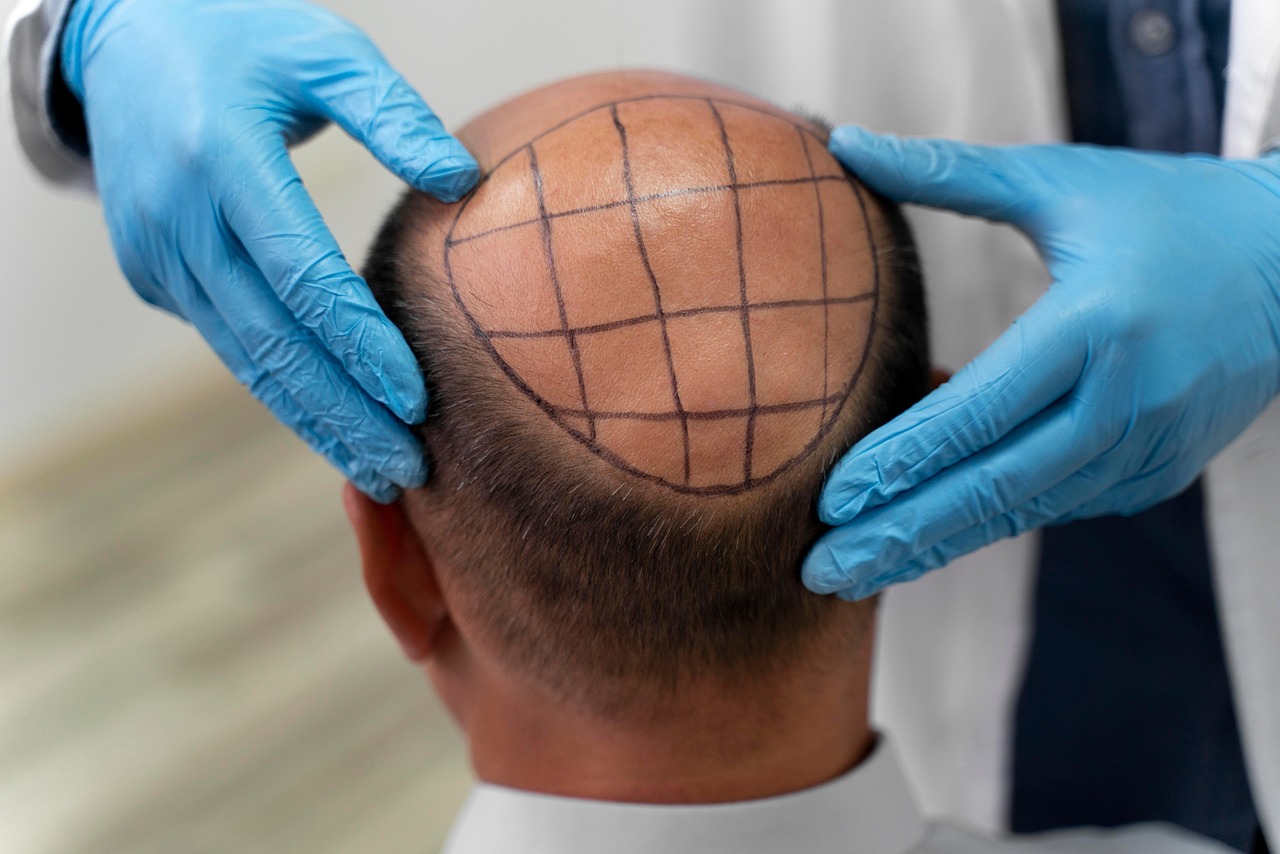
In such cases, individuals start exploring medical options, including hair transplantation, especially when non-surgical treatments can no longer reverse advanced miniaturisation.
Why City Life Makes Shower-Related Hair Loss Worse
Urban environments increase scalp stress due to:
- Pollution buildup
- Dust accumulation
- Heat exposure
- Chlorinated water
- Hard water minerals
- High humidity
These factors amplify the effects of poor shower habits, making thinning more noticeable in metropolitan populations.
A healthy routine designed around scalp protection becomes essential for long-term hair preservation.
Can Better Shower Habits Reverse Hair Loss?
Improving your shower routine can significantly reduce breakage, strengthen follicles, and stabilise shedding. For individuals experiencing mild to moderate thinning, correcting daily habits may lead to visible improvement over a few months.
However, if follicles have already miniaturised significantly, the damage may be permanent. In such cases, more advanced solutions might be required.
This is why many individuals seeking long-term, natural-looking results turn to the best hair transplant in Mumbai, where modern techniques like Direct Hair Transplant (DHT), Sapphire FUE, and microscopic graft handling ensure natural density and minimal scarring.
Small Habits, Big Impact on Your Hair
Your shower routine might seem harmless, but it plays a far bigger role in hair health than most people realise. Every small mistake, overheating the scalp, overwashing, using harsh products, or handling wet hair improperly, adds up over time, weakening roots and accelerating shedding.
Protecting your hair begins with understanding your daily habits. Fixing these small routines can slow thinning, restore scalp balance, and keep your hair stronger for years. For those facing more advanced hair loss, pairing good shower habits with expert medical guidance provides the best long-term outcome.