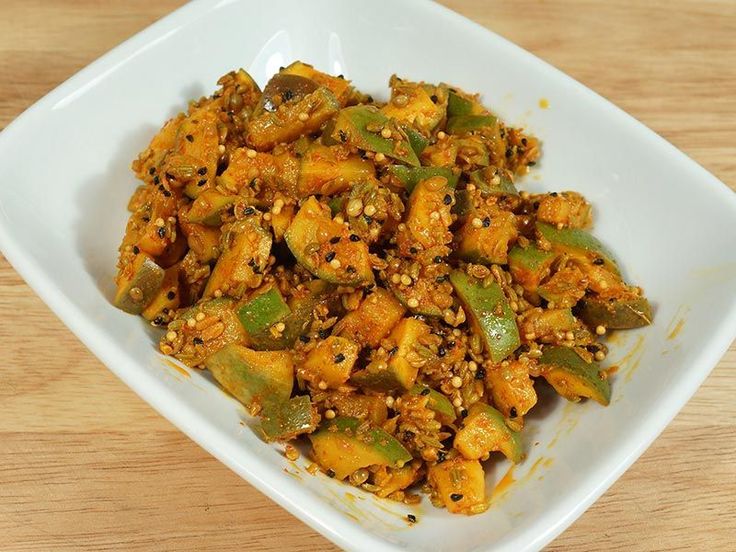
Among the wide variety of Indian pickles, some stand out not for their heat or sweetness but for their unmistakable aroma and depth. Hing ka achar is one such classic. Sharp, pungent, and deeply satisfying, this pickle represents the confidence of Indian flavours that do not shy away from intensity. It is the kind of pickle that announces its presence the moment the jar is opened, filling the kitchen with an aroma that is both nostalgic and powerful.
Rooted in tradition, hing aam achar is a reminder that Indian pickling has always been about balance. Even the strongest ingredients, when handled with care and understanding, can come together to create something harmonious and long-lasting.
The Cultural Importance of Hing in Indian Cooking
Hing, also known as asafoetida, has been used in Indian kitchens for centuries, especially in vegetarian cooking. Derived from the resin of the Ferula plant, hing is valued not only for its flavour but also for its digestive properties. In small quantities, it enhances dishes by adding a savoury depth that is difficult to replicate with any other spice.
In many households, hing is considered essential, particularly in lentils, vegetables, and pickles. Its ability to aid digestion makes it especially suitable for rich or heavy foods. When paired with raw mangoes, hing transforms the sharp sourness of the fruit into a bold, rounded flavour that lingers on the palate.
Raw Mangoes and Seasonality in Pickling
Raw mangoes are the backbone of countless Indian pickles, and hing aam achar is no exception. Summer brings with it an abundance of firm, sour mangoes, ideal for pickling. Their low moisture content and high acidity make them perfect for long-term preservation.
Traditionally, mangoes are harvested at just the right stage, neither too tender nor too fibrous. They are washed, dried thoroughly, and cut with precision. Any moisture left behind can affect the shelf life of the pickle, which is why the preparation process is approached with patience and discipline.
The Traditional Preparation Process
Making hing aam achar is a slow and deliberate process. Once the mango pieces are cut, they are mixed with salt and allowed to rest, drawing out excess moisture. This step not only improves texture but also prepares the mango for absorbing spices.
Hing is heated gently in oil to release its aroma before being combined with mustard seeds, fenugreek, turmeric, and chilli powder. This infused oil becomes the heart of the pickle. When poured over the mangoes, it coats each piece evenly, sealing it from air and initiating preservation.
Sunlight often plays a role in traditional homes. The pickle is kept in glass or ceramic jars and placed in the sun for several days, allowing flavours to mature naturally. Over time, the sharp edges soften, and the pickle develops complexity that cannot be rushed.
Why Hing Aam Achar Is an Acquired Taste
Unlike milder pickles, hing aam achar demands attention. Its strong aroma can be surprising to those unfamiliar with it, but seasoned pickle lovers know that this intensity is its greatest strength. When eaten in small quantities, it enhances even the simplest meal.
A plain plate of dal and rice becomes memorable with just a spoonful of this pickle. The heat of the spices, the sourness of the mango, and the deep umami of hing work together to stimulate appetite and digestion.
Digestive Benefits and Ayurvedic Roots
Hing has long been valued in Ayurveda for its medicinal properties. It is believed to reduce bloating, improve gut health, and support metabolism. Combined with raw mango, which is rich in enzymes, hing aam achar becomes more than a flavour enhancer.
Many traditional meals include pickles precisely for this reason. They prepare the digestive system for the food that follows, making meals more satisfying and easier to digest. This functional aspect of pickles is one reason they have endured despite changing food trends.
The Shift from Homemade Jars to Trusted Sources
In the past, almost every household prepared its own pickles. Large jars lined balconies and terraces, tended to carefully over weeks. Today, with changing lifestyles and limited space, fewer people have the time or conditions required for traditional pickling.
This shift has led to increased interest in trusted sources offering homemade achar online, especially those that respect traditional methods and avoid shortcuts. Consumers are no longer satisfied with mass-produced pickles that compromise on flavour or authenticity. They seek products that taste like something made at home, with patience and integrity.
Hing Aam Achar in Modern Meals
While deeply traditional, hing aam achar adapts surprisingly well to modern eating habits. It pairs beautifully with comfort foods but also finds its place alongside contemporary dishes. A small amount can elevate wraps, grain bowls, and even fusion recipes where bold flavours are welcome.
Its concentrated taste means it is used sparingly, making one jar last a long time. This aligns well with mindful eating practices, where quality is prioritised over quantity.
Preserving Authenticity in a Commercial World
One of the biggest challenges in offering traditional pickles today is maintaining authenticity at scale. Hing, in particular, requires careful handling. Too much can overpower the pickle, while too little loses its defining character.
True hing aam achar relies on balance, quality ingredients, and time. Artificial flavouring or rushed processes cannot replicate the depth achieved through traditional preparation. This is why discerning consumers pay close attention to sourcing, ingredient lists, and preparation methods.
A Pickle That Tells a Story
Hing aam achar is not just a condiment; it is a story of patience, confidence, and culinary wisdom. It represents a time when food was made slowly, with respect for ingredients and an understanding of how flavours evolve.
In a world of instant meals and fleeting trends, this pickle stands as a reminder that some things are worth waiting for. Its bold aroma, complex taste, and digestive benefits make it a timeless part of Indian food culture, one that continues to hold its place on dining tables across generations.